Dynamic Color Theory in Motion: An Exploration
Color has an unparalleled capacity to influence perception and emotion. In the realm of motion design, the principles of Dynamic color theory in motion vibración visual become essential for creating engaging and effective visual narratives. As designers, understanding dynamic color theory allows us to harness the power of color interactions to guide viewers through a story, evoke feelings, or highlight particular aspects of a motion piece. This article delves into the intricacies of dynamic color theory, especially how color behaves when in motion, and its potential applications in digital media.
The Basics of Color Theory
Before exploring dynamic color, it’s crucial to understand the foundations of color theory. The color wheel is a standard tool used by artists and designers to visualize the relationships between colors. Primary colors (red, blue, and yellow) combine to create secondary colors (green, orange, and purple). Tertiary colors result from mixing primary and secondary hues. Understanding this wheel helps designers choose complementary colors that work harmoniously together, providing visual interest and balance.
Dynamic Color: A Definition
Dynamic color theory extends traditional color theory into the realm of movement. It examines how colors can change perception when they are in flux or associated with movement. The concept of color dynamicity can be influenced by external factors such as time, velocity, and context. Colors that were once static become lively when animated, as their transitions and interactions with light create a different experience for the viewer. Dynamic color is not just about swapping one hue for another but about understanding their relationships and how they evolve over time.
Color Interactions in Motion Design
In motion design, colors are rarely experienced in isolation. Their interactions can evoke a spectrum of emotions and can guide viewers’ attention. For example, contrasting colors can create a sense of urgency or highlight important elements, while analogous colors can foster harmony and peace. The principle of simultaneity—how colors influence each other when viewed at the same time—plays a crucial role in engaging the audience.
The Psychology of Color in Motion
The psychological effects of color also demand attention in motion design. Various colors have specific meanings and associations, which can change based on cultural context. For instance, red often signifies passion and urgency, while blue may represent calmness and trust. When these colors are animated, their psychological effects can become more pronounced. Motion amplifies emotional responses, making it imperative for designers to consider how color choices impact viewer feelings during animated transitions.
Utilizing Dynamic Color in Motion Graphics
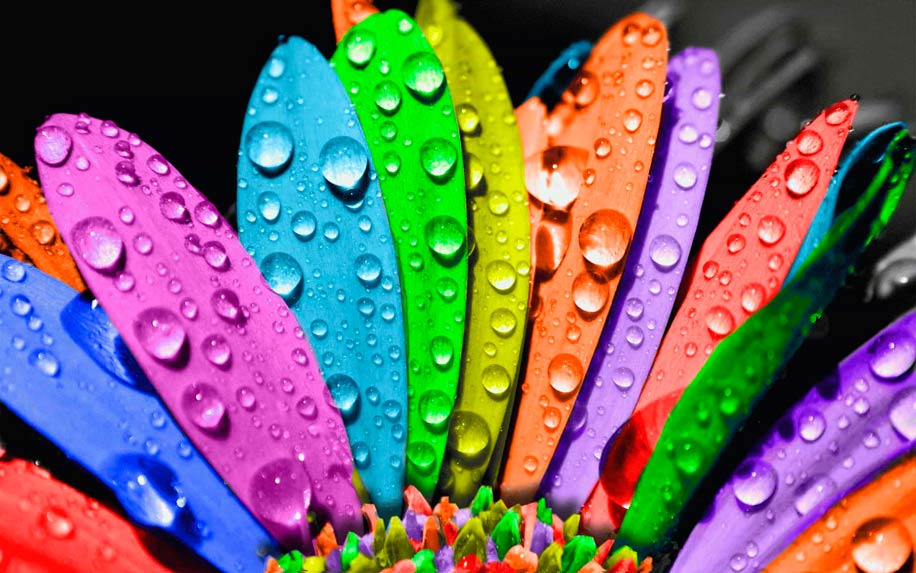
When integrating dynamic colors in motion graphics, designers have several tools at their disposal. Graduations, fades, and color shifts can provide depth and maintain viewer interest. Additionally, timing elements of color changes with music or sound effects can enhance the overall impact of a piece. Understanding the principles of dynamics, such as pacing and rhythm, combined with color variation is essential for creating compelling animations.
Case Studies in Dynamic Color Theory
To illustrate the implementation of dynamic color theory in motion, several notable case studies can be highlighted. For instance, in films like «Into the Spider-Verse,» vibrant colors and rapid shifts express heightened emotional states, enhancing the narrative. Similarly, advertisements frequently employ dynamic color shifts to retain attention and stimulate interest. Each of these examples showcases how dynamic color impacts storytelling and engagement within motion media.
The Future of Dynamic Color in Motion Design
The future of dynamic color theory in motion design appears promising as technology advances. Innovations in augmented reality (AR) and virtual reality (VR) open new doors for color interactions within immersive environments. With these technologies, colors can not only change based on user interactions but can also adapt to the environment in real-time. As designers continue to explore the boundaries of color, the integration of AI tools may also bring dynamic customization to the forefront, allowing for personalized experiences based on user preferences.
Conclusion
Understanding and utilizing dynamic color theory in motion design is crucial for creating engaging visual narratives. By exploring the relationships between colors, their psychological impacts, and their interactions in motion, designers can create more complex, expressive, and emotive works. As technology continues to evolve, so too will the methodologies of dynamic color application, setting the stage for increasingly innovative approaches to visual storytelling.